
By JAIF Management Team
Youth are often seen as catalysts for positive change. Supporting their diverse passions and potential through enhanced learning and intercultural experiences is crucial. At the 2nd East Asia Summit in 2007, the former Prime Minister of Japan, ABE Shinzo announced a large-scale youth exchange initiative,“Japan-East Asia Network of Exchange for Students and Youths (JENESYS).” Under the JAIF contribution, JENESYS has given many opportunities and experiences to young minds across Japan and ASEAN Member States (AMS) since its inception in 2007. The cultural exchange activities in JENESYS help strengthen these connections between Japan and the Asia-Pacific Region, including AMS.
For many JENESYS alumni, the journey began with homestays in Japan, where they experienced a glimpse of Japanese daily life and formed deep connections with their host families, trainers/teachers, fellow exchange students, and others. These experiences often inspire participants to bring back what they have learned, contributing positively to their home countries.
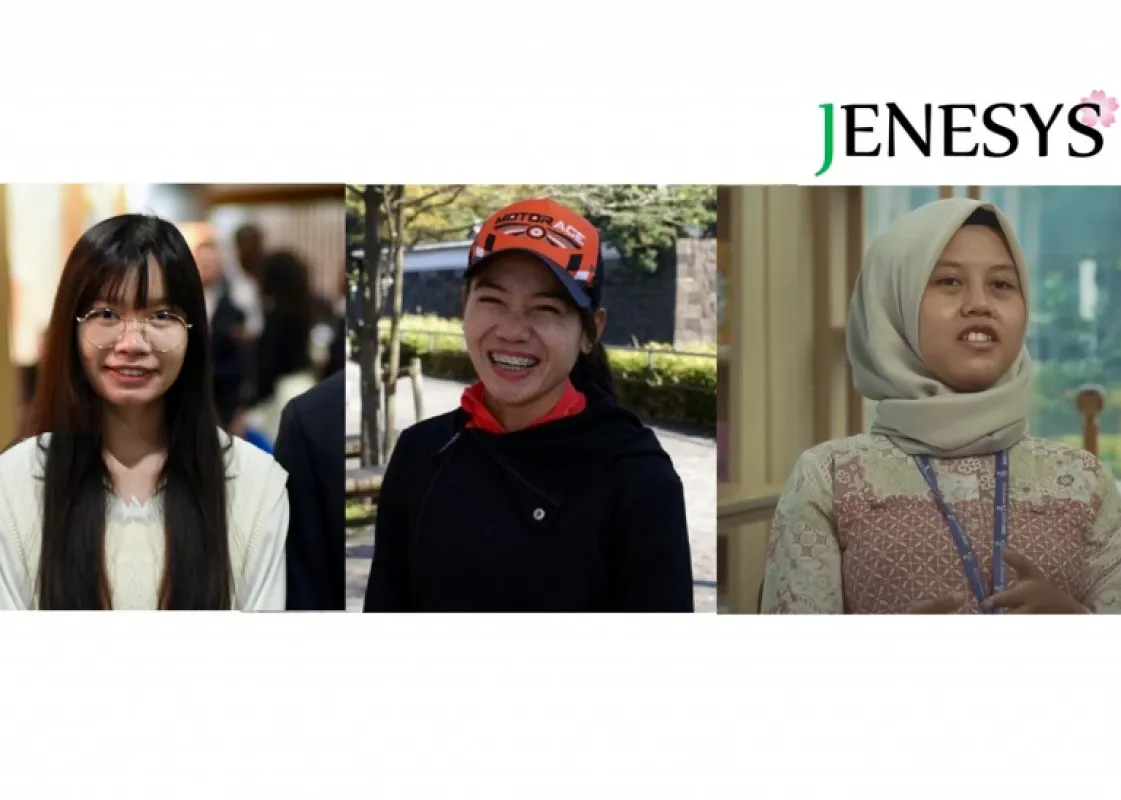
Here are stories shared by three participants from the Philippines, the Lao PDR, and Indonesia based on their experiences in the exchange programme.

Testimonial from
Mary Joy Tabal (Philippines)
© Japan International Cooperation Center(JICE)
“I was glad to participate in the JENESYS for young athletes, since Japan is one of the best countries which can compete on world’s top stage.”
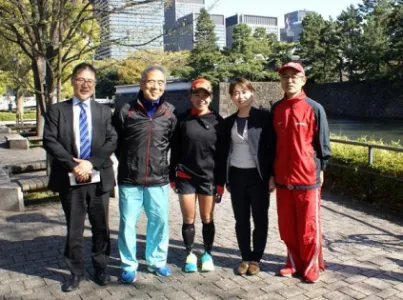 Mary Joy Tabal (center) during her training in Japan. © Japan International Cooperation Center(JICE)
Mary Joy Tabal (Philippines) – On the Right Track to Pursue Her Dream
Mary Joy Tabal is a Filipina marathon runner and a JENESYS alumna. In September 2014, she participated in the JENESYS exchange programme for marathon runners, where she trained for the Tokyo Olympics qualification. Mary is also a great admirer of Japan. She loves the Japanese culture, food, and friendly people.
For her, Japan offers the perfect environment to refine her skills and attain higher achievements. In the programme, she visited training facilities and race venues in Tokyo and Yamanashi. During the training with Yamanashi Gakuin University students, she was impressed by training with athletes of her own age.
“I was glad to participate in the JENESYS2.0 for young athletes, since Japan is one of the best countries which can compete on the world’s top stage,” expressed Mary.
After completing the programme, she shared her insights in Japan as one of the top athletes in the Philippines and also conducted grassroots programmes for unprivileged children by teaching them how to run.
In 2016, she participated in the Rio Olympics and in the following year, won a gold medal in the women’s marathon in the Southeast Asian Games.

Testimonial from
Soupavanh Senesavath (Lao PDR)
Championing Women in Engineering
My interest in studying in Japan was sparked by JENESYS. During my visit to Hiroshima, I was impressed by the friendly and accepting nature of Japanese students towards foreigners.

© Japan International Cooperation Center(JICE)
Soupavanh Senesavath (Lao PDR) – Championing Women in Engineering
Soupavanh Senesavath is a JENESYS alumna from the Lao PDR. She joined the exchange programme in 2015 where she was captivated by Japan’s welcoming culture. Her enjoyable experience during the exchange programme inspired her decision to pursue higher study back in Japan.
“My interest in studying in Japan was sparked by JENESYS. During my visit to Hiroshima, I was impressed by the friendly and accepting nature of Japanese students towards foreigners.”
Soupavanh is currently pursuing a doctoral degree in civil engineering at Kyushu University, located in Fukuoka Prefecture. She admits enjoying the quietness and calmness of Fukuoka, where she is closely working with her professor for research.
Upon returning to her home country, she aims to contribute to Laotian society by capitalising on what she learned at the university. She also dreams of changing how people view women in civil engineering, which is currently dominated by males.
Testimonial from
Siti Salsabila (Indonesia)
Promoting Cultural Exchange
Before I joined the JENESYS programme, I only saw things as an Indonesian. After joining the programme, I could see things from the Japanese side and other countries, (including) ASEAN’s sides.
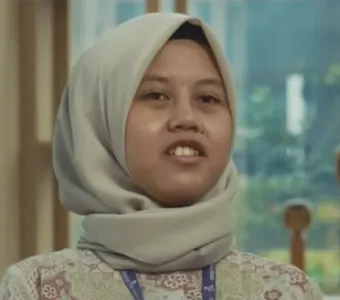
© Prime Minister’s Office of Japan
Siti Salsabila (Indonesia) – Promoting Cultural Exchange
For Siti Salsabila, embarking on a journey to Japan through the exchange programme in 2021 awakened her empathy. Being a JENESYS alumna from Indonesia, she shares valuable learnings from the programme.
“Before I joined the JENESYS programme, I only saw things as an Indonesian. After joining the programme, I could see things from the Japanese side and other countries, (including) ASEAN’s sides.”
Based on her life-changing experience, she also encourages the people of ASEAN and Japan to participate in the international exchange programme, as they will learn unique things by knowing each other.
Upon her return to Indonesia, she continues promoting cultural exchange between countries, hoping that people will be inspired to learn from each other. Now, Siti works as an Assistant Coordinator at the Japan Foundation based in Jakarta, Indonesia. In 2023, she took part in hosting a calligraphy writing activity with the Japan Foundation at the Jak-Japan Matsuri 2023 event. “(By) introducing Japanese culture, like calligraphy, to others, it could give them insight and inspiration. It can really open their minds, give them a new perspective, new knowledge, and even new friends,” Siti reflected.
Beyond personal enrichment, JENESYS alumni use their experiences to drive positive changes in their communities and contribute to strengthening friendship and cooperation between Japan and AMS. Equipped with new insights into global issues and intercultural communication skills gained during the exchange period, many have pursued or continued careers in diplomacy, education, and other fields.
JENESYS is dedicated to promoting cross-cultural understanding and creating lasting connections among youth, The programme has empowered the participants with transformative experiences and insights that transcend borders. Through JENESYS, more than 47,000 young people have participated in the initiative. JENESYS also sustains its alumni networks by regularly organising alumni reunions and collaborative projects.
Japan’s commitment to the Youth sector is based on the ASEAN Work Plan on Youth (2021-2025). “Japan-East Asia Network of Exchange for Students and Youths (JENESYS)” is supported by the Government of Japan through the Japan-ASEAN Integration Fund (JAIF).Sectors
Funding Framework
Related Beneficiaries' Voice
-converted.webp)
Strengthening Leadership and Cooperation through the First ASEAN–G7 Next Leaders Forum
 09 March 2026
Enhancing Cybersecurity Skills of Professionals in ASEAN
02 November 2021
Narrowing the Gap through Strong Network and Mutual Trust among Universities in the Mekong Region
29 July 2021